Computerphiles EXPOSED

Do you remember when the internet was a nice place? My first encounters with the World Wide Web (it never occurred to me until just now that it feels like it should be hyphenated or even just “Worldwide”? (apparently not)) were about sharing interests and ideas and connecting with people all over the world. The motivation was similar to this newsletter: fostering a platform to share ideas and passions with friends and strangers.
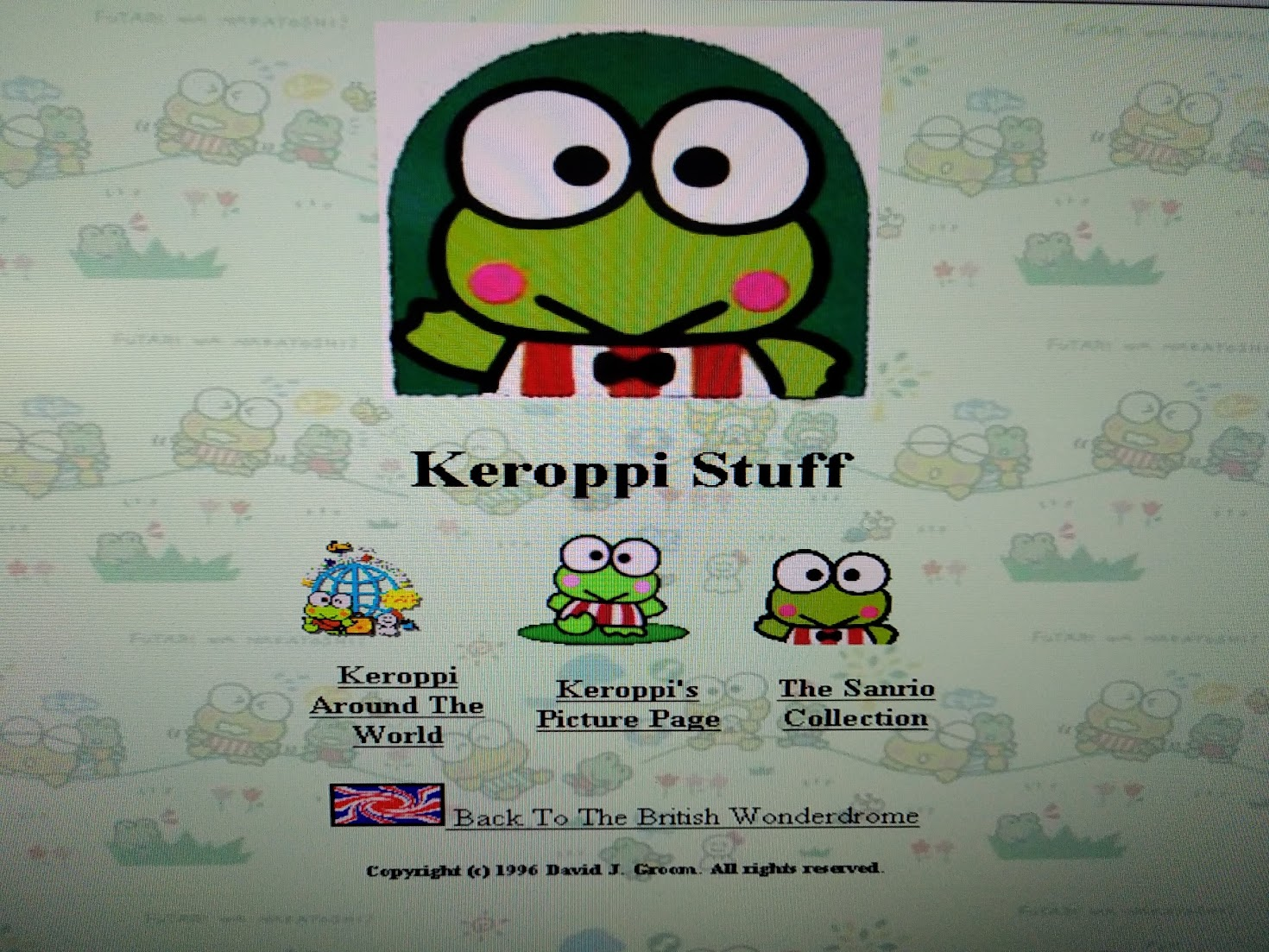
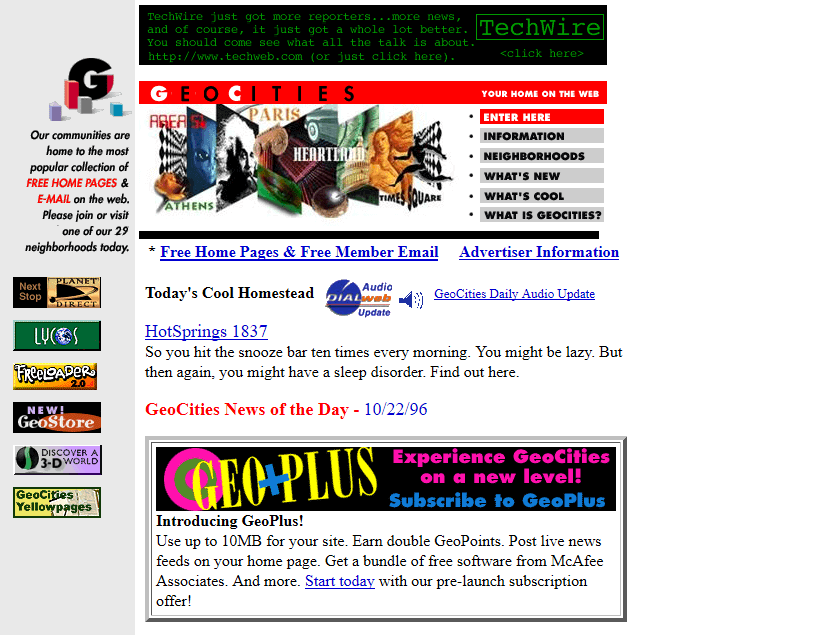
Three decades ago, the internet was an amazing place to explore. Browsing the web felt like pioneering a new, limitless frontier, while discovering all manners of weird and wonderful things. My very first memory was when I was three, and my dad brought home a computer from work for me to play with for the weekend. I was addicted from that moment, and for me, computers have always been about interaction and creation, and later, connection. Over the past two decades, the once-glorious digital playground afforded to us by computers has devolved into a spammy, aggressive, extractive hellscape. At first, social media platforms seemed like a positive development: instead of cruising cyberspace alone from the controls of your web browser, connecting asynchronously, interactions became more frequent and personal. But these large, monolithic platforms resulted in a consolidation of “screen time”, and instead of users wandering along the information superhighway, a handful of sites held them captive from exploration. And those sites have devolved into hate-filled, SPAM-laden cesspools, run by some of the most disliked people on earth.
The current incarnation of AI threatens creation and connection even further, by generating vulgar facsimiles of the apps, games, and tools that we used to delight in architecting and debugging, and replacing human interaction with bots. The web has become choked with AI-generated pollution, with more than half of recent content generated by soulless LLMs, and more than half of all internet traffic now coming from AI agents. It’s the same pattern we’ve seen with natural resources, as greedy, unprincipled shit-heels savage our planet for their own personal gain (and of course, the AI assholes are doing their part to destroy the planet too).
It’s enough to convince you to abandon technology all together, but I’ve always found joy in exploring and embracing gadgets and gizmos. I just don’t like the version of technology that’s playing out right now. So, reflecting on this divergence between the tech I loved and the grotesque current incarnation, I realized: there’s no requirement to embrace only the current zeitgeist – it’s permissible to revisit and re-adopt the older technology which brought me joy.
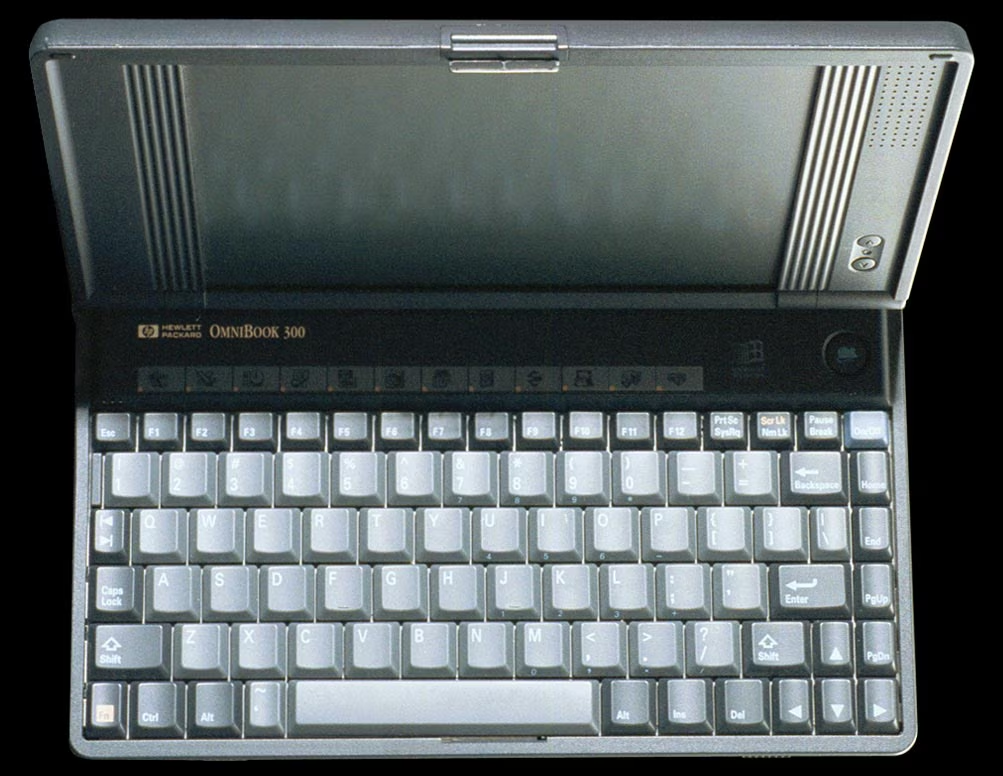
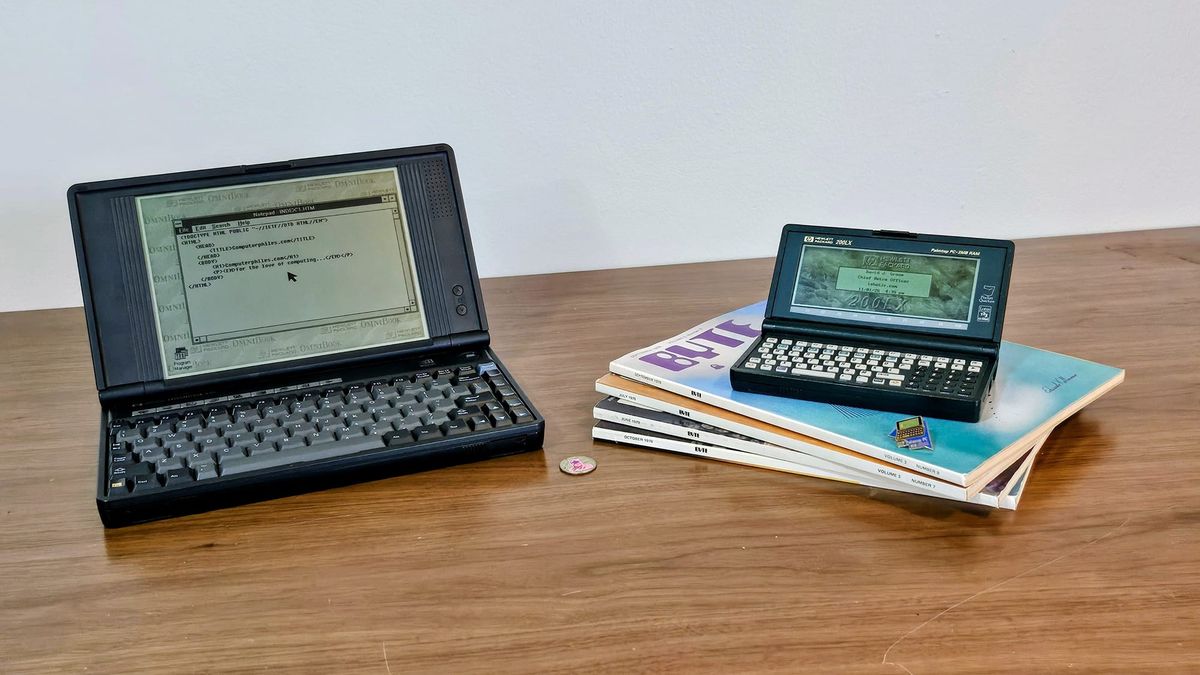
I have always had a fierce appreciation for HP’s DOS-based palmtops, and a fair percentage of my miniscule modicum of free time in recent years has been spent exploring these wonders of mid-90s tech. I recently had the tremendous fortune to acquire their larger sibling, the 1993 HP Omnibook 300. Running Windows 3.1 on a 386 with a 9” monochrome display and unique pop-out mouse, the “superportable” could even run on AA batteries like its palmtop brethren. At $2375 in 1993 (~$5,538 today), such a machine was well out of my reach as a child, but I have had a delightful time exploring it more than three decades after its “obsolescence”.
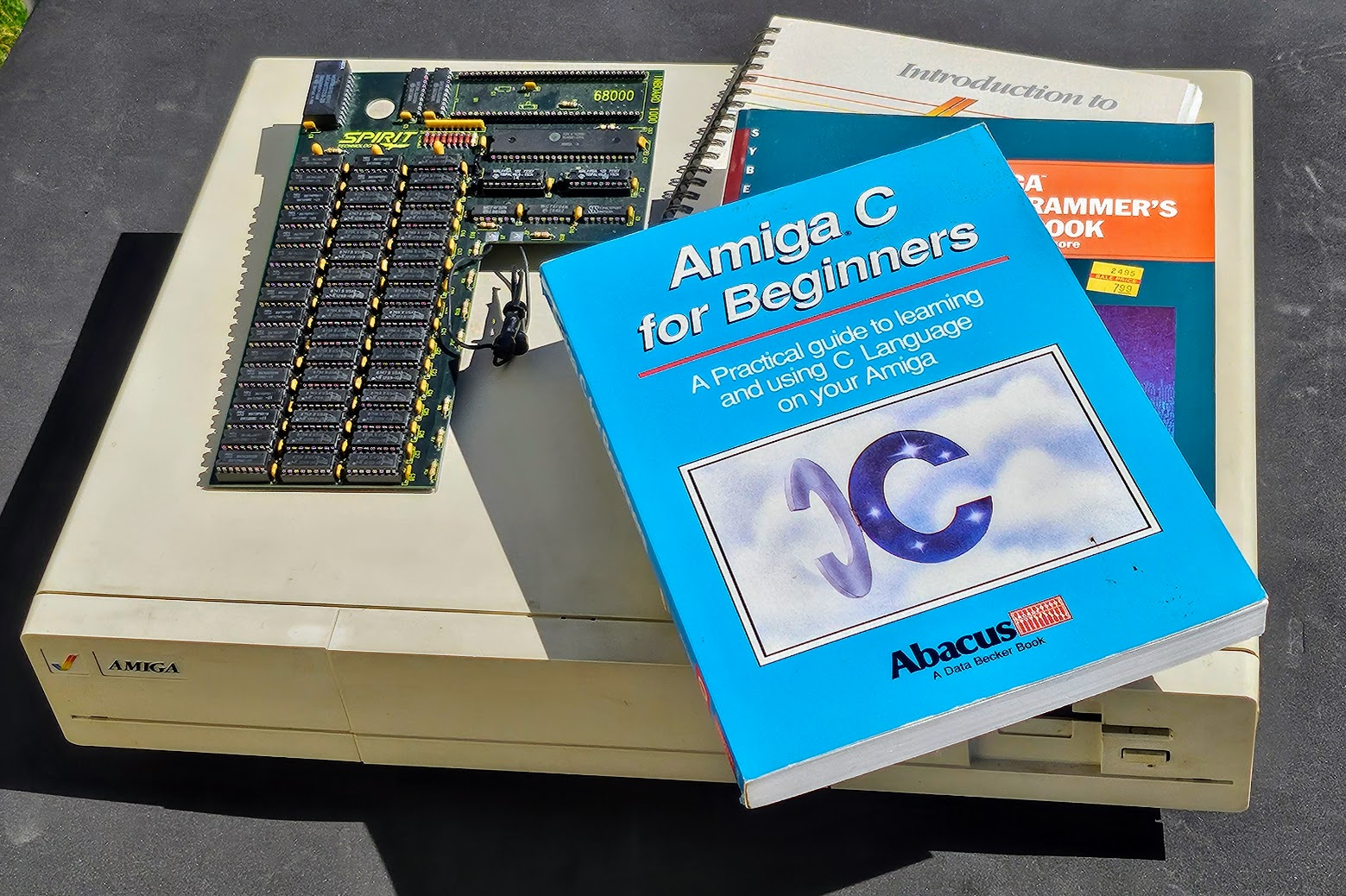
In the past, I have approached software development for the HP palmtops, as well as Commodore Amiga 1000, from a “period purist” perspective: using only tools and resources from the machine’s period, in an attempt to replicate the experience of a developer from that time. So, I realized: why not widen that? Why not spend my leisure time with the devices from the past that brought me joy, and steer clear of the modern nightmare?
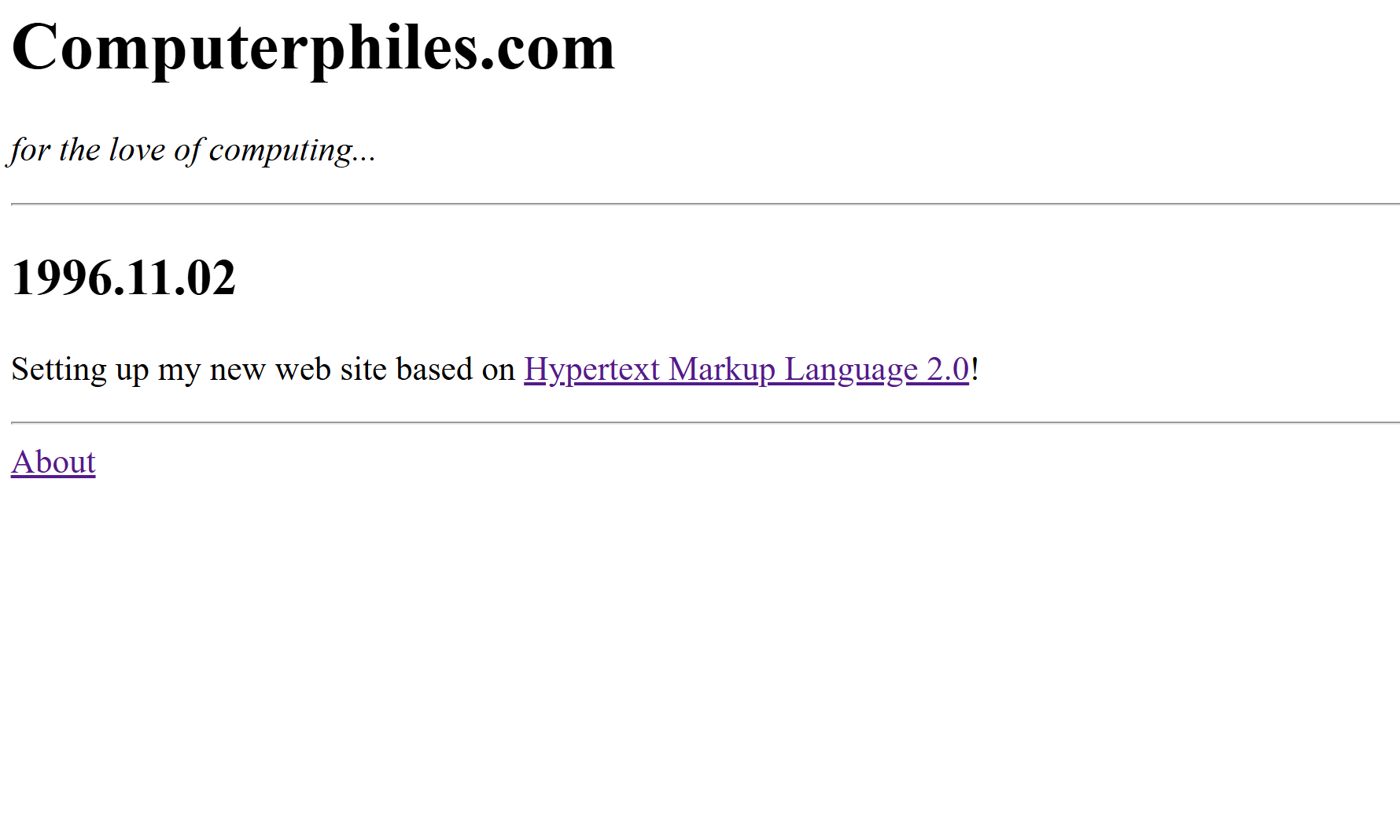
Thus, I am launching Computerphiles.com, where I hope to chronicle my journey through technology from 30 years ago. Right now, the site is hand-authored in HTML 2.0, but it seems that 3.2 (featuring the new TABLE and APPLET tags) was launched in 1996, so I’ll look forward to enhancing it with all that the new specification has to offer.

Maybe I’m just getting old – maybe if it was the automobile revolution that paralleled my life’s journey, I’d be complaining about how modern cars are just robots and you can’t repair them, and how EVs lack the sound and soul of internal combustion. In “The Salmon of Doubt”, Douglas Adams came up with a set of rules that describe our reaction to technologies:
- Anything that is in the world when you’re born is normal and ordinary and is just a natural part of the way the world works.
- Anything that's invented between when you’re fifteen and thirty-five is new and exciting and revolutionary and you can probably get a career in it.
- Anything invented after you're thirty-five is against the natural order of things.
But the state of tech in 2026 feels different – it’s not just scary because it’s new – even the AI companies are afraid of what they’ve wrought. And with so many services and devices enshittified beyond practical use, it’s logical to seek alternatives.
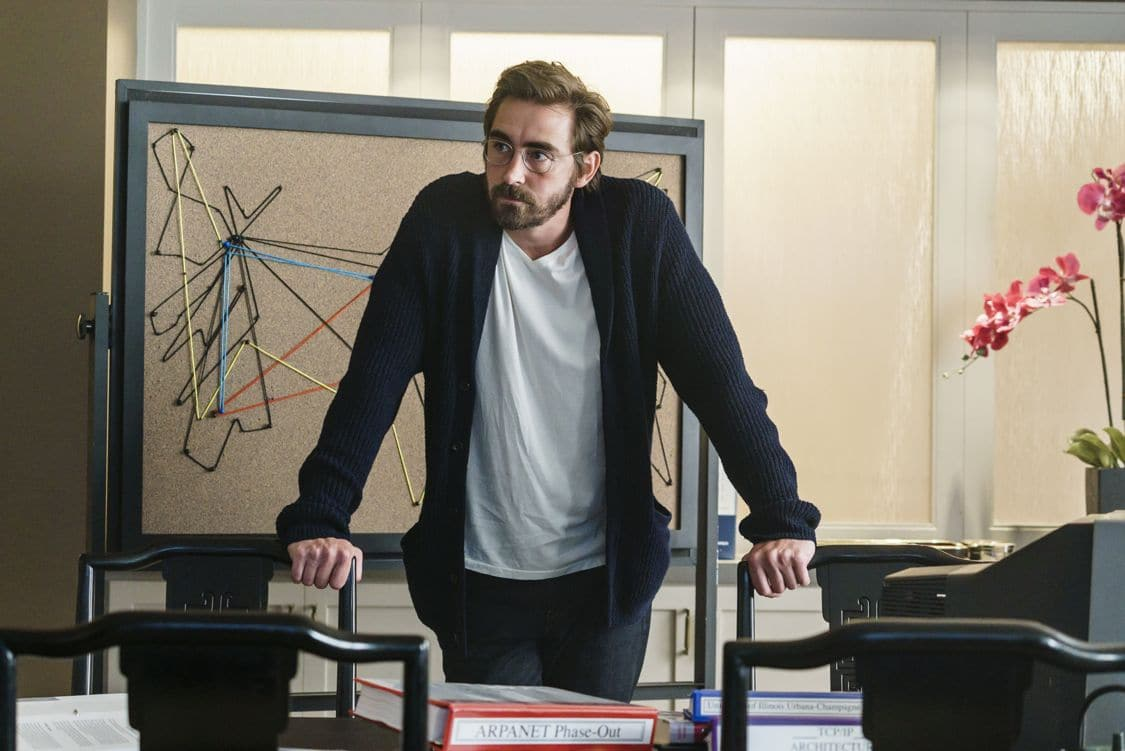
I recently finished re-watching the AMC series Halt and Catch Fire for the third or fourth time, and the show I loved now feels depressing. The innovation of entire new paradigms using code, the triumph of software mastery, and the feeling of accomplishment when you share your digital creation with the world is now tarnished. Even if you do create a cool app, game, or web site, people may suspect it’s AI, and anyone can come along and instantly create a paltry clone. The passion, excitement, and revelry that we get to share with the show’s characters over and over with each new idea is now forever sullied and cheapened by AI.
In the series, firebrand tech leader Joe MacMillan says “Computers aren't the thing. They're the thing that gets us to the thing.” – but now “the thing” is too often some repulsive AI-generated slop or hate-filled human-generated screed. Maybe computers themselves were the thing, or at least “a” thing that can be appreciated on their own. All I know is I’m having a blast exploring the weird form factors and paradigms of machines from three decades ago. And maybe I’ll find other Computerphiles to join me.
When I was sharing this idea with friends, it seemed to trigger a lot of fond memories of what it was like to pioneer the brave new world of information. My friend Ben shared this anecdote:
In ‘96 I was volunteering to help run a lab for a nonprofit that helped people tell their stories using this new “multimedia” thing. Bunch of Macs, early adobe photoshop+premier, windows NT file servers, some of the earliest CDROM writers. People would get a CD with all of that class’s videos. It was an awesome experience.
I’d love if you would share your early internet memories in the comments below!
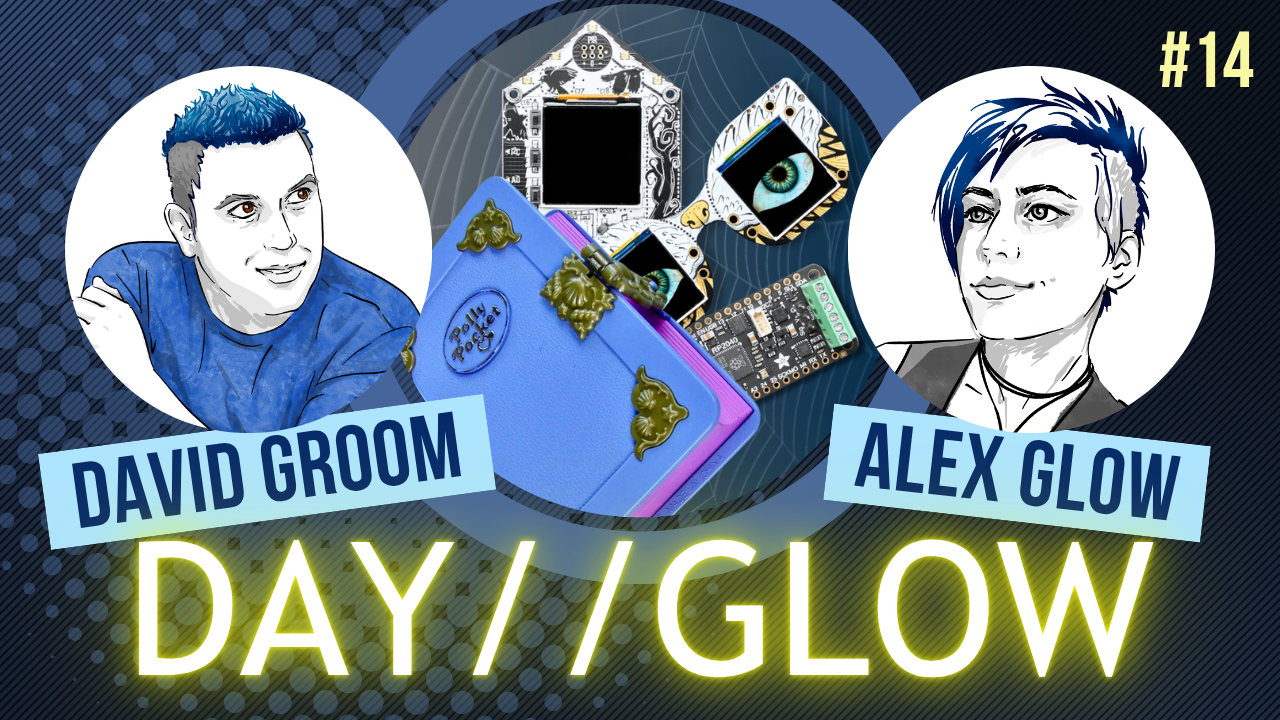
Bonus: check out the latest episode of DAY//GLOW, my hardware hacking livestream with Alex Glow!